
Popular on Rezul
- Top 15 Mosquito-Infested Cities in Louisiana and East Texas Ranked for 2026 Mosquito Season
- ClearLead Digital Named an "Emerging Leader" in Independent 2026 Property Management Website & SEO Report
- The Importance of Community Connections
- Agape Leadership Academy Opens Nationwide Enrollment — State ESA Scholarships Cover Full Tuition for Families in 7 States
- Heritage at South Brunswick Unveils Luxury Resort-Style Amenities Designed for Every Generation
- New Luxury Single Family Homes From $976,990 in Manalapan
- CCHR Calls Out Psychiatry's Pattern of Resistance to Antidepressant Deprescribing
- 15 Best Areas to Invest in Property UK in 2026 Revealed by New Investor Research
- Nevada Boxing Hall of Fame Announces 14th Annual Induction Gala Weekend Honoring Classes of 2025 and 2026
- Boston Industrial Solutions Launches Natron® 348 UV Inkjet Ink for Epson S3200 Print Heads
Similar on Rezul
- RAS AP Consulting Expands AP Governance & Automation Practice and Named Finalist for Heidelberg Materials SAP Vendor & Customer Data Project
- 100+ Episodes In, Liftoff with Keith Newman Tells Founders to Stop Publishing More
- Vierra Communities Adds Operations of Two Skilled Nursing Facilities in the DC Metro Area
- Webinar Announcement: Built for Trust: Latitude's 0 to 1 Compliance Playbook for Modern Cross-Border Payments
- OneVizion Names AI Leader Matthew Kirk as Chief Operating Officer to Drive Governed AI Across Telecom and Electric Utilities
- Dentists launch independent platform to help practices choose the right technology
- Contracting Resources Group Recognized by The Daily Record as a 2026 In the Lead: Best Women-Owned Businesses Honoree
- Woodforest Acceptance Solutions and AlpacaBOSS Launch Partnership
- IGH Naturals Announces Peer-Reviewed HuMOLYTE® Study Published in Frontiers in Nutrition
- Allstream Energy Partners Expands AI-Optimized Website Development Division to Meet Growing Demand in GEO / AEO Services
Australian Men's Back Pain and the Workplace: A Silent Burden Driving a Growing Mental Health & Productivity Crisis
Rezul News/10737366
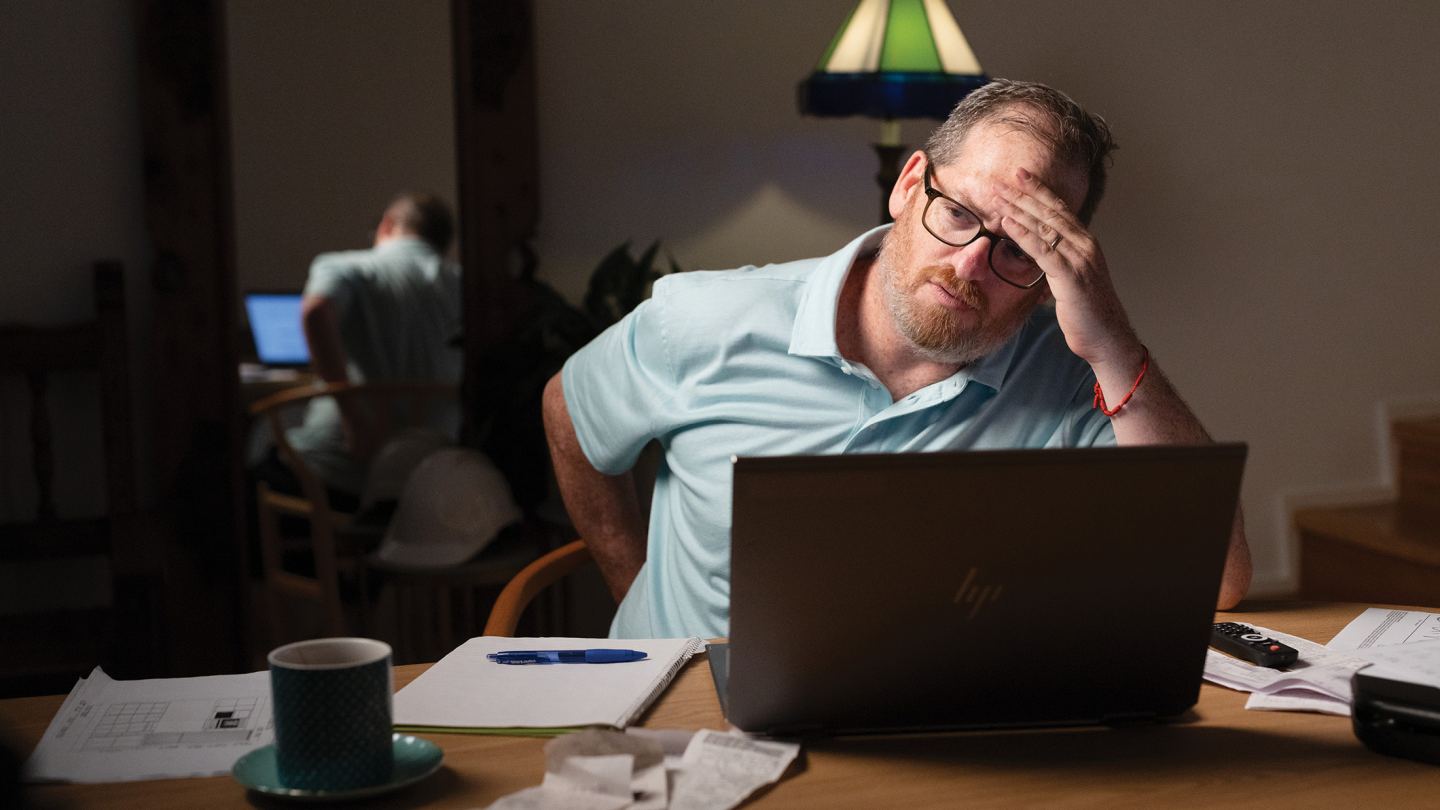
SYDNEY - Rezul -- Today, in the lead-up to National Men's Health Week (15-21 June), the Australian Chiropractors Association (ACA) revealed that a significantly high number of Australian men are experiencing severe back pain that's going unrecognised, with working-age men carrying an escalating mental health toll as a result.
New data obtained from the 2026 Spinal Health Survey, an independent national survey of 1,040 Australian adults by Pureprofile in May 2026, revealed 87.5% of Australian men reported suffering back pain in the last 12 months, with the impact on their mental health peaking sharply during their working decades.
Dr Billy Chow, ACA President said, "The survey revealed that 57.0% of men aged 31–40 reported moderate-to-extreme mental health impact from back pain - the highest mental health burden of any male age group and higher than women in the same age group (54.8%).
"With the coexistence of back pain and mental health conditions associated with impaired quality of life, the rising high level of back pain burden carried by Australian men can increase the risk of developing chronic back pain conditions impacting men's mental health while increasing the financial burden on sufferers and the economy," said Dr Chow.
"Of concern, is that despite the large number of men experiencing back pain, the survey showed that men are less likely to seek professional care; are more likely to self-manage with over-the-counter (OTC) medications; and are significantly less likely to discuss the mental health consequences," he said.
The link between back pain and depression is well documented in research studies including a study by the International Association for the Study of Pain (2021) that found people living with chronic back pain are at heightened risk of experiencing mental health problems.
"47.8% of men reported suffering back pain although they'd never sought a formal medical diagnosis, with men's GP consultation rates falling -21.9% between 2024 and 2026 (three times the rate of decline among women (-7.5%)) increasing the risks to men's ongoing physical and mental health," he said.
More on Rezul News
"When chronic back pain leads to psychological and social problems, depressive symptoms can worsen back pain and increase the disability associated with the condition; which in turn can exacerbate back pain's negative impact on the mental health of sufferers," he said.
"This vicious cycle, where back pain triggers a mental health problem that leads to the original back problem worsening can continue accelerating unabated in the absence of interventions to break the pain cycle, while the costs of musculoskeletal disorders (MSDs), including back pain, to the Australian economy continues increasing," Dr Chow said.
6.1 million Australians are already affected by MSDs, of which 58% are of working age in their peak income-earning years (25-64 years) with the annual cost to the Australian economy $55.1 billion including direct health costs, lost productivity and reduced quality of life (Deloitte).
According to a Deloitte Access Economics report, the rising cost of MSDs in Australia presents a strong case for a proactive, strategic response to MSD management (including back pain), with the findings of the 2026 Spinal Health Survey supporting Deloitte's results.
The survey found that the impact of back pain on working Australians was significant, with 92.9% of employed Australians having experienced back pain and one in five (21.7%) reporting impaired workplace productivity as a result.
Among peak working-age (25–60yrs) Australians who reported low back pain, 28.5% said in the past 12 months they required time off work or were no longer able to work due to their back pain.
Physical workers who lift carry the highest clinical burden with 49.4% reporting chronic pain and 55.5% having a moderate-to-extreme mental health impact as a result - the highest of any workplace activity type.
Construction and trades recorded the highest burden by industry. With hands-on trades having the highest concentration of male workers (98-99%), and 88% of construction workers being men, 60.0% of back pain sufferers working in these sectors reported having chronic back pain and 64.0% reported moderate-to-extreme mental health impact.
More on Rezul News
44.0% of all male back pain sufferers experienced chronic back pain (pain persisting for 12 weeks or more). Unsurprisingly, workers who 'stand' recorded the highest chronic pain rate at 55.4% - 11.1 percentage points (pp) more than average. Shift workers also showed 5.7pp more chronic pain than day workers and 3.7pp greater mental health impact than day workers.
However, with 75% of employed Australians suffering back pain performing computer or desk work, the most commonly reported work-related triggers for back pain were desk work (26.4%), computer use (22.7%), poor ergonomics (12.3%) and workplace injury (7.9%). Employed respondents reported 44.8% chronic pain rate with 44.6% experiencing moderate-to-extreme mental health impact.
Research by Monash University's School of Public Health and Preventive Medicine (August 2025) has projected that if we fail to tackle common back pain through promoting advice to stay active and receive appropriate care, by 2033, 3.2 million working-age Australians will be living with chronic back pain, leading to a loss of approximately 4.6 per cent to Australia's gross Domestic Product over a 10-year period.
With back pain posing a major public health burden affecting millions of sufferers across Australia, long-term chronic back disorders are projected to cost the Australian economy an estimated $638 billion in lost productivity over the next decade.
The ACA member survey of 110 chiropractors reinforces these findings. 47% of chiropractors have back pain patients on workers' compensation leave with financial constraints cited as the single biggest clinical challenge by 50% of practitioners.
"Preventing back pain should be treated as a workplace health and safety priority by every industry including those that fall into the low-risk industries to minimise the consequences of untreated back pain on workers' physical and mental health while minimising workers' compensation claims, sick leave and reduced workforce participation and productivity," said Dr Chow.
During Week 2 of National Spinal Health Month (8–14 June), the ACA is encouraging workplaces, employers and working-age Australians to assess their spinal health habits, understand the triggers and access a range of free resources at www.spinalhealth.org.au to improve the spinal health and overall wellbeing of the Australian workforce.
INTERVIEW REQUESTS: ACA@insightcommunications.net.au
MEDIA CENTRE: https://bit.ly/SHM26-Media
https://youtu.be/seBMKnkbRd0?si=FWou0gUq3rmhCgs5
New data obtained from the 2026 Spinal Health Survey, an independent national survey of 1,040 Australian adults by Pureprofile in May 2026, revealed 87.5% of Australian men reported suffering back pain in the last 12 months, with the impact on their mental health peaking sharply during their working decades.
Dr Billy Chow, ACA President said, "The survey revealed that 57.0% of men aged 31–40 reported moderate-to-extreme mental health impact from back pain - the highest mental health burden of any male age group and higher than women in the same age group (54.8%).
"With the coexistence of back pain and mental health conditions associated with impaired quality of life, the rising high level of back pain burden carried by Australian men can increase the risk of developing chronic back pain conditions impacting men's mental health while increasing the financial burden on sufferers and the economy," said Dr Chow.
"Of concern, is that despite the large number of men experiencing back pain, the survey showed that men are less likely to seek professional care; are more likely to self-manage with over-the-counter (OTC) medications; and are significantly less likely to discuss the mental health consequences," he said.
The link between back pain and depression is well documented in research studies including a study by the International Association for the Study of Pain (2021) that found people living with chronic back pain are at heightened risk of experiencing mental health problems.
"47.8% of men reported suffering back pain although they'd never sought a formal medical diagnosis, with men's GP consultation rates falling -21.9% between 2024 and 2026 (three times the rate of decline among women (-7.5%)) increasing the risks to men's ongoing physical and mental health," he said.
More on Rezul News
- Slotozilla Introduces a Centralized Resource for World Cup Bonus Offers
- Webinar Announcement: Built for Trust: Latitude's 0 to 1 Compliance Playbook for Modern Cross-Border Payments
- OneVizion Names AI Leader Matthew Kirk as Chief Operating Officer to Drive Governed AI Across Telecom and Electric Utilities
- Cravey Real Estate Facilitates Sale of King's Court Retail Center in Corpus Christi
- Dentists launch independent platform to help practices choose the right technology
"When chronic back pain leads to psychological and social problems, depressive symptoms can worsen back pain and increase the disability associated with the condition; which in turn can exacerbate back pain's negative impact on the mental health of sufferers," he said.
"This vicious cycle, where back pain triggers a mental health problem that leads to the original back problem worsening can continue accelerating unabated in the absence of interventions to break the pain cycle, while the costs of musculoskeletal disorders (MSDs), including back pain, to the Australian economy continues increasing," Dr Chow said.
6.1 million Australians are already affected by MSDs, of which 58% are of working age in their peak income-earning years (25-64 years) with the annual cost to the Australian economy $55.1 billion including direct health costs, lost productivity and reduced quality of life (Deloitte).
According to a Deloitte Access Economics report, the rising cost of MSDs in Australia presents a strong case for a proactive, strategic response to MSD management (including back pain), with the findings of the 2026 Spinal Health Survey supporting Deloitte's results.
The survey found that the impact of back pain on working Australians was significant, with 92.9% of employed Australians having experienced back pain and one in five (21.7%) reporting impaired workplace productivity as a result.
Among peak working-age (25–60yrs) Australians who reported low back pain, 28.5% said in the past 12 months they required time off work or were no longer able to work due to their back pain.
Physical workers who lift carry the highest clinical burden with 49.4% reporting chronic pain and 55.5% having a moderate-to-extreme mental health impact as a result - the highest of any workplace activity type.
Construction and trades recorded the highest burden by industry. With hands-on trades having the highest concentration of male workers (98-99%), and 88% of construction workers being men, 60.0% of back pain sufferers working in these sectors reported having chronic back pain and 64.0% reported moderate-to-extreme mental health impact.
More on Rezul News
- Global Real Estate Pro and Grupo Verde Azul
- Contracting Resources Group Recognized by The Daily Record as a 2026 In the Lead: Best Women-Owned Businesses Honoree
- Woodforest Acceptance Solutions and AlpacaBOSS Launch Partnership
- Titan Pressure Washing Shows The Power Of Complete Exterior Cleaning On A Roof And Concrete Project
- New "Lakeside Picnic Ride" Package in Japan's Lake Chuzenji region of Nikko: July 1- November 30, 2026
44.0% of all male back pain sufferers experienced chronic back pain (pain persisting for 12 weeks or more). Unsurprisingly, workers who 'stand' recorded the highest chronic pain rate at 55.4% - 11.1 percentage points (pp) more than average. Shift workers also showed 5.7pp more chronic pain than day workers and 3.7pp greater mental health impact than day workers.
However, with 75% of employed Australians suffering back pain performing computer or desk work, the most commonly reported work-related triggers for back pain were desk work (26.4%), computer use (22.7%), poor ergonomics (12.3%) and workplace injury (7.9%). Employed respondents reported 44.8% chronic pain rate with 44.6% experiencing moderate-to-extreme mental health impact.
Research by Monash University's School of Public Health and Preventive Medicine (August 2025) has projected that if we fail to tackle common back pain through promoting advice to stay active and receive appropriate care, by 2033, 3.2 million working-age Australians will be living with chronic back pain, leading to a loss of approximately 4.6 per cent to Australia's gross Domestic Product over a 10-year period.
With back pain posing a major public health burden affecting millions of sufferers across Australia, long-term chronic back disorders are projected to cost the Australian economy an estimated $638 billion in lost productivity over the next decade.
The ACA member survey of 110 chiropractors reinforces these findings. 47% of chiropractors have back pain patients on workers' compensation leave with financial constraints cited as the single biggest clinical challenge by 50% of practitioners.
"Preventing back pain should be treated as a workplace health and safety priority by every industry including those that fall into the low-risk industries to minimise the consequences of untreated back pain on workers' physical and mental health while minimising workers' compensation claims, sick leave and reduced workforce participation and productivity," said Dr Chow.
During Week 2 of National Spinal Health Month (8–14 June), the ACA is encouraging workplaces, employers and working-age Australians to assess their spinal health habits, understand the triggers and access a range of free resources at www.spinalhealth.org.au to improve the spinal health and overall wellbeing of the Australian workforce.
INTERVIEW REQUESTS: ACA@insightcommunications.net.au
MEDIA CENTRE: https://bit.ly/SHM26-Media
https://youtu.be/seBMKnkbRd0?si=FWou0gUq3rmhCgs5
Source: Australian Chiropractors Association
Filed Under: Business
0 Comments
Latest on Rezul News
- Rebecca Francis Team Ranks Among Top 1.5% of Teams and Agents Nationwide
- Ascent Solar Technologies (N A S D A Q: ASTI): Positioned at the Intersection of the New Space Economy, Defense Innovation and Next-Generation Energy
- Triple-Digit Growth, Stock Market Upgrade plus a Rapidly Expanding Specialty Healthcare Platform: Cardiff Lexington Corporation (Stock Symbol: CDIX)
- Morrisville & Cary Education Centers Honored with National Award
- AI-Powered Neuropsychiatry, FDA Regulatory Momentum, Commercial Ketamine Launch Position NRx Pharmaceuticals for Potential Breakout Growth in 2026
- Henri-Lloyd Launches Sail Free to Break Down Barriers to Sailing
- Genuine Hospitality, LLC Selected to Operate Hilton Garden Inn Jacksonville JTB/Deerwood Park
- Destination Niagara Launches Game Changing Digital Magazine Redefining How Visitors Experience Niagara Falls
- 'Spencer Buys Houses' Expands Direct Purchasing Program to Help Local Homeowners
- OwnerToDueno.com Expands Access to Homeownership Through Flexible Owner Financing in Memphis
- Lagoon City Bungalow With In-Law Suite Listed for Sale in Ramara on Lake Simcoe
- San Diego's newest marketing firm is boring on purpose — it's working
- Arizona Christian Homeschools Launches Statewide Directory
- Sexually Abused in a Psychiatric Hospital or Psychiatrist's or Psychologist's Office? CCHR Urges Survivors to Reach Out to It
- Senco Home Services Expands Residential Construction Services
- Ricci's Painting & Contracting Expands Home Transformation Services
- Derek Cook's Roofing Helps New England Homeowners
- PRM Capital Expands 100% Financing Rehab Loan Program for Cincinnati, Ohio Real Estate Investors
- PRM Capital Launches 100% Financing Rehab Loan Program for Missouri Real Estate Investors
- Alvear Homes Expands 2026 Buyer Education Initiative to Help North Carolina Homebuyers