
Popular on Rezul
- Ice Melts. Infrastructure Fails. What Happens to Clean Water? - 106
- Cold. Clean. Anywhere. Meet FrostSkin
- Majestic CA Fire & Disaster Safe Haven/VIP Ranch Retreat w/ Extraordinary Water Resources
- Purple Heart Recipient Honored by Hall of Fame Son In Viral Tribute Sparking National Conversation on Service Fatherhood, Healing and Legacy
- François Arnaud, star of Heated Rivalry, is the real-life inspiration behind Christopher Stoddard's novel At Night Only
- The Legal AI Showdown: Westlaw, Lexis, ChatGPT… or EvenSteven?
- Specializing in Concrete Cleaning & Sealing, Titan Pressure Washing of Stuart Florida Showcases Their Process in Video Demonstration
- Vines of Napa Launches Partnership Program to Bolster Local Tourism and Economic Growth
- Families Gain Clarity: Postmortem Pathology Expands Private Autopsy Services in St. Louis
- Ray & Co Surveyors helps landlords hit EPC C for MEES
Similar on Rezul
- Platinum Car Audio LLC Focuses on Customer-Driven Vehicle Audio and Electronics Solutions
- Good Vibes Club and Instant IP Forge Strategic Partnership to Secure IP Brand Value in a Booming Digital Economy
- Power Business Solutions Announces Joint Venture with EIG Global Trust to Deliver Data Center Financial Solutions
- MILBERT.ai Brings Real Time Session Defense to Google Workspace and Google Cloud
- Imagen Golf Launches "Precision Lessons" with Trackman iO in Newtown, PA
Shipping Containers Are Powering the Next Generation of Bitcoin Mining Infrastructure
Rezul News/10729949
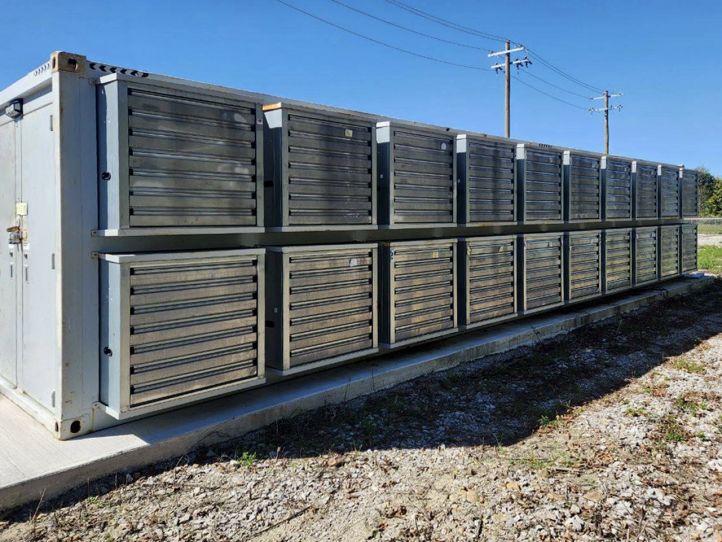

Modular container data centers are reshaping how cryptocurrency mining operates.
BAY AREA, Calif. - Rezul -- Inside Bitcoin Mining: The Containers Powering a Global Network
Over the last decade, Bitcoin has evolved from an obscure internet experiment into a global digital asset. While most people track price swings or market headlines, few see the physical infrastructure that keeps the network running behind the scenes: mining.
Bitcoin mining has grown from a hobby conducted on personal computers into a large-scale industrial operation. As the network expanded, efficiency, power availability, and operating costs became the dominant factors shaping where and how mining takes place. One solution increasingly adopted by operators is containerized infrastructure—repurposed shipping containers designed to house specialized mining equipment.
These containerized facilities offer a fast and flexible way to deploy mining operations wherever reliable electricity is available.
What Bitcoin Mining Actually Does
Bitcoin mining is the process that verifies transactions and secures the blockchain network. When someone sends Bitcoin from one digital wallet to another, the transaction must first be validated by a decentralized network of computers.
Thousands of transactions are grouped into blocks. Specialized machines known as miners compete to verify those blocks by solving complex cryptographic problems. Once a block is verified, it is added to the blockchain, and the miners receive a reward consisting of newly issued Bitcoin and transaction fees.
More on Rezul News
This process requires significant computing power, which consumes large amounts of electricity and produces substantial heat. As mining scaled globally, operators began searching for infrastructure that could support high-density computing while remaining cost-efficient and adaptable.
Why Containers Are Used for Mining
Shipping containers have become a practical solution for housing mining equipment because they are modular, transportable, and relatively quick to deploy.
Scalability is one of the biggest advantages. Instead of constructing large permanent facilities, operators can start with a single container and expand incrementally by adding more units as demand grows. Containers can be arranged side by side or stacked, creating a flexible infrastructure that grows alongside the operation.
Mobility is another major factor. Mining operations often follow access to inexpensive electricity. Containerized systems allow operators to relocate equipment to regions with more favorable energy costs or regulatory conditions, something traditional data center buildings cannot easily accommodate.
Cooling and airflow also play a critical role. Mining machines run continuously and generate large amounts of heat. Container systems are typically designed with high-volume ventilation, using industrial fans to pull cool air in and push hot air out. Some operations also incorporate evaporative cooling systems to further reduce internal temperatures while minimizing energy use.
More on Rezul News
A New Layer of Infrastructure
A typical 40-foot mining container can support roughly 1 to 1.5 megawatts of electrical load and house hundreds of specialized machines. To operate safely and efficiently, these units rely on industrial-grade electrical systems, including three-phase power, power distribution units, and carefully designed rack layouts that maintain airflow between machines.
As Bitcoin continues to mature, the infrastructure supporting it is evolving as well. Containerized mining facilities illustrate how the industry is adapting to the demands of large-scale computing while maintaining flexibility in a rapidly changing energy and regulatory landscape.
What began as a decentralized financial experiment is now supported by a global network of highly specialized infrastructure—often hidden inside rows of steel containers working around the clock.
To read the full story, click here: https://www.conexwest.com/blog/hidden-infrastructure-behind-bitcoin-shipping-containers
About Conexwest
Conexwest is a U.S.-based supplier of shipping containers and container modifications serving commercial, industrial, and infrastructure projects across North America. The company provides new and used shipping containers along with customized container solutions designed for storage, mobile offices, modular facilities, and specialized infrastructure such as data processing environments and equipment housing.
Learn more at: https://www.conexwest.com
Over the last decade, Bitcoin has evolved from an obscure internet experiment into a global digital asset. While most people track price swings or market headlines, few see the physical infrastructure that keeps the network running behind the scenes: mining.
Bitcoin mining has grown from a hobby conducted on personal computers into a large-scale industrial operation. As the network expanded, efficiency, power availability, and operating costs became the dominant factors shaping where and how mining takes place. One solution increasingly adopted by operators is containerized infrastructure—repurposed shipping containers designed to house specialized mining equipment.
These containerized facilities offer a fast and flexible way to deploy mining operations wherever reliable electricity is available.
What Bitcoin Mining Actually Does
Bitcoin mining is the process that verifies transactions and secures the blockchain network. When someone sends Bitcoin from one digital wallet to another, the transaction must first be validated by a decentralized network of computers.
Thousands of transactions are grouped into blocks. Specialized machines known as miners compete to verify those blocks by solving complex cryptographic problems. Once a block is verified, it is added to the blockchain, and the miners receive a reward consisting of newly issued Bitcoin and transaction fees.
More on Rezul News
- Andrew-Thomas Contractors Launches Dedicated Westminster Fence Installation and Repair Service Page
- Intellitary Launches Zero Cost U.S. Brokerage Program That Pays Offices to Participate
- Training Lofts Launches $1,099 Unlimited Training Membership Featuring Semi-Private Coaching, Nutrition Support, and Recovery Services
- Available Now 2214 Concession 10 Road, Ramara | $519,000 A move-in ready 4-bedroom family home on
- Vallejo Housing Market Gives Buyers Something They Haven't Seen in a While: Breathing Room
This process requires significant computing power, which consumes large amounts of electricity and produces substantial heat. As mining scaled globally, operators began searching for infrastructure that could support high-density computing while remaining cost-efficient and adaptable.
Why Containers Are Used for Mining
Shipping containers have become a practical solution for housing mining equipment because they are modular, transportable, and relatively quick to deploy.
Scalability is one of the biggest advantages. Instead of constructing large permanent facilities, operators can start with a single container and expand incrementally by adding more units as demand grows. Containers can be arranged side by side or stacked, creating a flexible infrastructure that grows alongside the operation.
Mobility is another major factor. Mining operations often follow access to inexpensive electricity. Containerized systems allow operators to relocate equipment to regions with more favorable energy costs or regulatory conditions, something traditional data center buildings cannot easily accommodate.
Cooling and airflow also play a critical role. Mining machines run continuously and generate large amounts of heat. Container systems are typically designed with high-volume ventilation, using industrial fans to pull cool air in and push hot air out. Some operations also incorporate evaporative cooling systems to further reduce internal temperatures while minimizing energy use.
More on Rezul News
- American Properties Realty, Inc. Leadership Attends NAHB International Builders' Show in Florida
- River Hall welcomes Dream Finders Homes
- Discover the New and Easy Way to Sell Your House!
- DASH Carolina Agents Named to 2026 Triangle Real Producers Top 500
- $317M Revenue and a Clear Path to $1B: $IQST is Positioned for a Major Profitability Inflection
A New Layer of Infrastructure
A typical 40-foot mining container can support roughly 1 to 1.5 megawatts of electrical load and house hundreds of specialized machines. To operate safely and efficiently, these units rely on industrial-grade electrical systems, including three-phase power, power distribution units, and carefully designed rack layouts that maintain airflow between machines.
As Bitcoin continues to mature, the infrastructure supporting it is evolving as well. Containerized mining facilities illustrate how the industry is adapting to the demands of large-scale computing while maintaining flexibility in a rapidly changing energy and regulatory landscape.
What began as a decentralized financial experiment is now supported by a global network of highly specialized infrastructure—often hidden inside rows of steel containers working around the clock.
To read the full story, click here: https://www.conexwest.com/blog/hidden-infrastructure-behind-bitcoin-shipping-containers
About Conexwest
Conexwest is a U.S.-based supplier of shipping containers and container modifications serving commercial, industrial, and infrastructure projects across North America. The company provides new and used shipping containers along with customized container solutions designed for storage, mobile offices, modular facilities, and specialized infrastructure such as data processing environments and equipment housing.
Learn more at: https://www.conexwest.com
Source: Conexwest
0 Comments
Latest on Rezul News
- Las Vegas Realtor Trang Hooser Launches Full-Price Cash Offer Service to Eliminate Home Selling Stress
- Agent Promotes Homes To MORE Buyers For MORE Money
- RecallSentry™ App Launch — Your Home Safety Hub — Free on iOS & Android
- Award-Winning Director Crystal J. Huang's Under-$50K Film "The Ritual House" Wins Best Horror Feature at Golden State Film Festival
- Stonewood Cottage Coworking Nominated for Best Coworking Space in the Best of North Carolina Awards
- Grads aren't getting hired — here's what we're doing about it
- Gemini Community Brings Affordable New Homes to Splendora Near Valley Ranch Growth
- K2 Integrity Enhances Technology Capabilities Through Acquisition of Leviathan Security Group
- #WeAreGreekWarriors Comes to Detroit in Celebration of Women's History Month
- Club4Fitness Signs Lease at Townshire Shopping Center in Bryan, Texas
- Buildout Launches CRM, Completing the Industry's First AI-Powered End-to-End Deal Engine for CRE
- Energywise Solutions and Pickleball Pros Partner to Bring More Energy and Visibility to Pickleball Clubs
- The Franchise King® Releases Free Guide for Nervous Buyers
- Kanguro Insurance Taps Paylode to Launch Best-in-Class Pet and Renters Insurance Rewards Experience
- CCHR: CIA Mind-Control Files Raise Urgent Questions as Millions Take Psychotropic Drugs
- NRx Pharmaceuticals Launches Breakthrough One-Day Treatment Clinic in Florida as FDA Pathway and Clinical Data Strengthen Growth Outlook; $NRXP
- Revenue Optics Launches Talent Infrastructure Platform for SaaS Revenue Hiring and Appoints Sabz Kaur to Lead Growth
- Building a Multi-Domain Autonomous Systems Platform at the Intersection of AI, Defense and Infrastructure: VisionWave Holdings (N A S D A Q: VWAV)
- Bent Danholm Named "Top Luxury Real Estate Leader" in Modern Luxury Miami
- Author Ken Mora to Celebrate New Caravaggio Book Debut with Special Event at Palazzo Venezia Naples